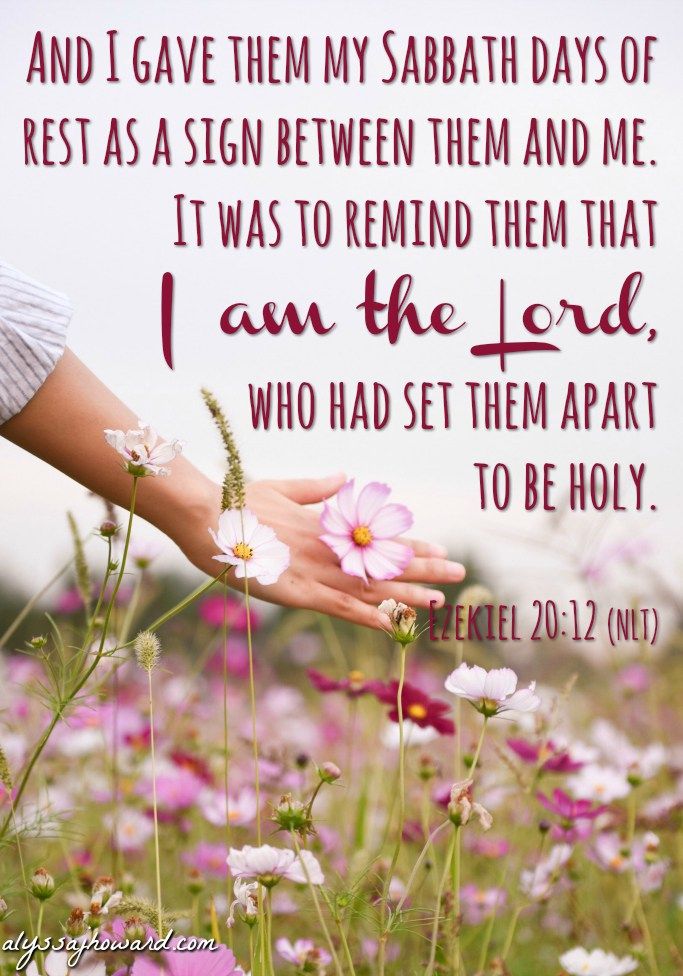
CELEBRATION FEASTS
Please read chapter 23:1-44. Read slowly and carefully for a deeper understanding.
This chapter offers a complete list and describes it as a schedule of celebrations of God’s people to commemorate what He had done for them and anticipate what He had promised to do.
Far from being a cultural holiday, Israel’s festivals are prophetic and powerful.
They also tell us that God values celebrations and that people need them.
They also establish a rhythm of life that pictures a story of redemption every year.
From Deliverance to Faithfulness.
From Faithfulness to Fruitfulness.
From Fruitfulness to ultimate Fulfilment.
Many Christians today have not understood their implications concerning the Lord Jesus.
Jesus kept the feasts during His ministry, while He was here. Others are rediscovering the riches of God’s Calendar, its story, and the Fulfilment it predicts.
LEVITICUS IS LOADED WITH MEANING!
There are seven feasts celebrated.
1. THE FEAST OF THE PASSOVER.
2. THE FEAST OF PENTECOST.
3. THE BLOWING OF THE TRUMPETS.
4. THE DAY OF ATONEMENT.
5. THE FEAST OF THE TABERNACLE.
6. THE SEVENTH YEAR SABBATH.
7. THE YEAR OF JUBILEE.
I suggest you study and see how significant they are to you.
They are prophetic and closely related to Jesus’s earthly Ministry.
THE PASSOVER FEAST.
The celebration, which began at sunset on the 14th day of the first month,
was commemorative of the Deliverance of Israel out of Egypt.
This feast came first because it speaks of redemption, the slain Lamb and its shed blood was the covering from Judgement.
It was slain and eaten on the evening of the 14th day.
“JESUS IS THE LAMB OF GOD”
THE SLAYING SPEAKS OF SALVATION;
AND THE FEASTING SPEAKS OF
FELLOWSHIP.
Then at the beginning of the 15th day, there were 7 days of eating unleavened bread (Bread without yeast).
Leaven is a symbol of Moral corruption of sin, and Israel’s abstinence from it. You may want to read Leviticus chapter 23:5-14.
We will observe now the.
FEAST OF PENTECOST.
Therefore, this feast was fixed and fell just fifty days after the Passover.
In the New Testament, the word in the Greek is translated “Fiftieth.”
The Passover “Wave Sheaves” were the commencement of the grain harvest.
The “Wave loaves” marked its completion.
So, we have the Wave Sheaf – the grain from God’s Harvest.
And the Wave Loaf, – food to be eaten.
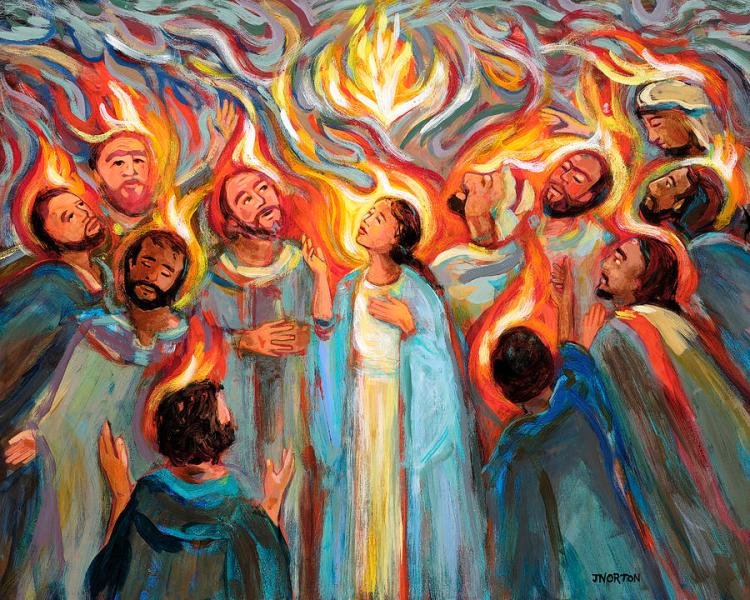
Typically, this observance speaks of the New Testament’s great PENTECOST, which took place exactly 50 days after our Lord’s Resurrection, namely, the coming of the HOLY SPIRIT upon the Christians who were redeemed through CHRIST. Acts 2:1-6.

It is a picture of God’s people gathered by the Holy Spirit and presented before Him in connection with Christ’s preciousness.
“Unto those who believe He is Precious.”
The seven days mean completion.
God was teaching them to be separated from all evil and to be a holy people. Paul applies this in ..
1 Corinthians 5:7,8.
He explains the meaning of “leaven,” which is “malice and wickedness.”
“Unleavened”, which is the bread of Sincerity and truth.”
The first and last days of the week were the Sabbaths, during which no servile work was done.
This ties in with Hebrews 4:10. We are to cease from our works of righteousness to gain Salvation and instead rest on the finished work of Jesus Christ.
How do we apply this to our lives today?
We come to Jesus for salvation and the Holy Spirit for His Empowerment to live a separate life from the things of this world and live a holy life unto Him, which is very precious!
You have BEEN DELIVERED from darkness into His marvellous light.
“SO LIVE IN THE LIGHT, AS HE IS IN THE LIGHT,
AND THE BLOOD OF JESUS CHRIST WILL CLEANSE YOU FROM ALL SIN.”
Amen.
 Light in the Darkness!
Great post one again Heather! I love how the Old Testament points to the Coming of Jesus & the New Testament records that fulfillment. Then also points to the promise of His second Coming.
Bless you sweet friend ❤️
Jennifer
LikeLike